Fast jewelry is fashion's dirty secret nobody talks about enough.
You buy it. You wear it twice. It tarnishes, breaks, ends up in a drawer, then a landfill. And somewhere in that supply chain, someone cut corners on the stone, the metal, the labor, and the planet paid for it.
Sustainable jewelry brands exist because people got tired of that cycle.
And honestly? The shift toward eco-friendly jewelry is not just a trend. It is a correction.
Eco-Friendly Jewelry: Materials and Ethical Sourcing
Let's start with what actually makes jewelry eco-friendly.
It is not a badge or a marketing claim. It is a sourcing decision made before a single stone is cut.
Ethical sourcing means knowing where your gemstones come from. Which mines. Which communities? Under what conditions. Most of the jewelry industry cannot answer that question clearly. The ones who can are the ones worth paying attention to.
It also means metal. Sterling silver, when responsibly sourced and alloyed correctly, has a significantly lower environmental footprint than heavily processed or plated alternatives that wear away quickly and need replacing. Pieces that last decades are inherently more eco-friendly than pieces that last months.
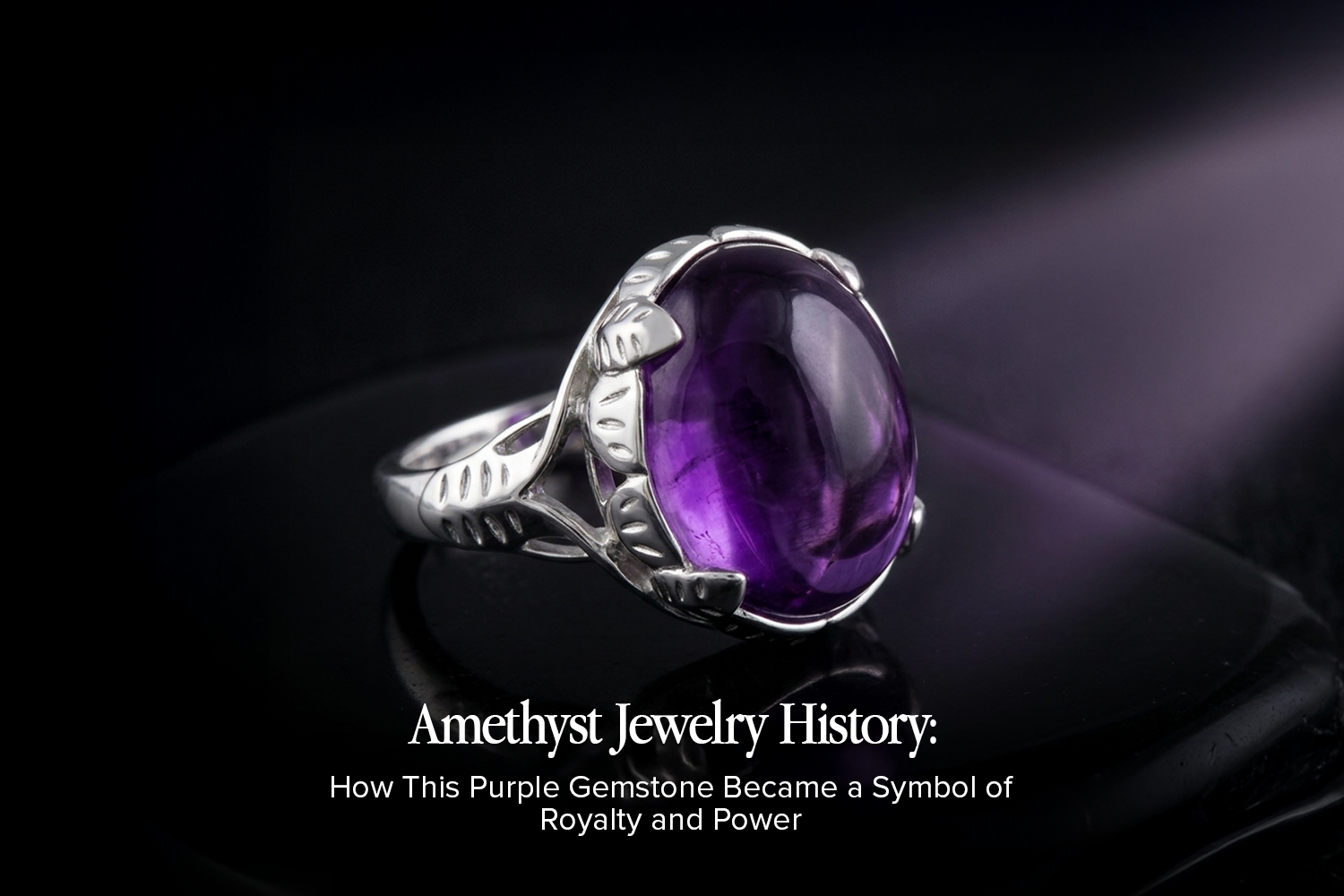
At Bahlko, the gemstone lineage runs 35 years deep through Vision Gems Pvt. Ltd. The stones are not sourced blindly. The natural chrysoprase, garnet, amethyst, and druzy formations that go into each piece are hand-selected, which means someone with decades of expertise looked at that stone before it ever reached a setting. That kind of attention is not scalable through fast production. It is only possible when you slow down.
The Aurora Wisp Soul Pendant crafted with natural citrine is a good example of this. Natural citrine, not synthetic, not treated to look like something it is not. Just the stone, set with care, in a piece designed to last.
That is what eco-friendly jewelry actually looks like in practice.
Green Jewelry Industry: A Shift Toward Sustainability
The green jewelry industry did not happen overnight.
For a long time, fine jewelry operated on the same logic as luxury fashion: exclusivity over accountability. Where things came from was secondary to how they looked.
That is changing.
Consumers are asking harder questions. Where was this mined? Who made it? How long will it actually last? The green jewelry industry is responding, slowly in some places, genuinely in others.
The brands leading this shift share a few things in common. They are usually smaller. They have direct relationships with their supply chains. They make fewer pieces with more intention. And they build for longevity rather than seasonality.
Sustainable jewelry brands that actually deserve the label are not the ones with the loudest marketing. They are the ones who can show you the hands that made the piece.
The 35-year manufacturing legacy behind Bahlko is not a heritage claim made for branding purposes. It is the infrastructure of a genuinely integrated operation, from stone sourcing to setting to finishing, under one roof, with artisans who have spent careers, not weeks, learning their craft. That is what the green jewelry industry needs more of. Less outsourcing. More accountability.
Sustainable Fine Jewelry Trends Shaping the Market
Here is what is actually happening in sustainable fine jewelry trends right now.
Natural stones over synthetics. Consumers are increasingly choosing real gemstones with traceable origins over laboratory alternatives that look identical but carry no geological story and no artisan involvement.
Longevity over volume. Sustainable fine jewelry trends are moving away from the 'buy more, spend less' model. People are buying one considered piece instead of five forgettable ones.
Handcraft over mass production. When a piece is made by hand, it takes longer, requires more skill, and results in something that simply holds up differently. Artisan-made jewelry is not just more ethical. It is better.
Oxidized finishes and natural patinas are becoming more valued, not less. A piece that develops character over time, that shows its age with dignity, is a more sustainable choice than one that needs replating every year because the surface was never built to last.
The Tatiana Petal Garnet Edition pendant at Bahlko sits squarely in this shift. Natural garnet set in fluid silver petals, hand-finished by artisans whose understanding of the stone and metal comes from decades of daily practice. That piece is not made to be replaced. It is made to be kept.
Why Is Sustainable Jewelry Important for the Environment
This one actually matters, so let's be specific.
Why is sustainable jewelry important for the environment? A few real reasons.
Mining, when done irresponsibly, devastates ecosystems. Soil erosion, water contamination, destruction of habitats. The jewelry industry has historically been one of the worst offenders because the scale of extraction required for mass production is enormous.
Chemical processing of metals and synthetic stones produces waste that pollutes waterways if not handled responsibly. Fast jewelry brands use these processes at scale with minimal accountability.
Disposable jewelry creates physical waste. Pieces that tarnish in weeks, break in months, and get discarded add to landfill in materials that do not biodegrade.
Why is sustainable jewelry important for the environment on the other side of the equation? Because jewelry that is built to last, sourced with accountability, and made by skilled artisans using traditional techniques removes itself from this cycle entirely.
A piece you wear for twenty years is twenty years of not buying replacements. That math matters.
Bahlko's handcrafted gemstone pendants are made from 925 sterling silver and natural stones, finished by artisans who have spent their careers perfecting the craft. These are not disposable. They are designed to become part of your story, not part of your waste.
Eco-Friendly Handcrafted Jewelry Online: What to Look For
You are looking for eco-friendly handcrafted jewelry online. Here is how to actually tell what is real.
Look for natural stone sourcing. If a brand cannot tell you where their stones come from, that is a red flag. Natural gemstones with traceable origins are a baseline requirement for genuine sustainability.
Look for hand-finishing. Machine-finished jewelry can look polished but it lacks the individual attention that makes a piece truly durable. Hand-finishing means someone cared about every surface.
Look for material quality over marketing claims. Sterling silver, rhodium plating applied properly, natural stone settings with real prongs or bezels, these things hold up. Thin plating on base metals and glued settings do not.
Look for longevity in the design itself. Sustainable pieces are not trend-driven. They are designed to still look right five, ten, twenty years from now. If a piece feels like it is built around a 2024 aesthetic, it probably is.
Look for the maker. Eco-friendly handcrafted jewelry online should come with some visibility into who made it and how. Artisan-driven brands can tell you that. Mass-market brands cannot.
The Arboreal Sculpted Pendant at Bahlko is a useful example here. Sculptural sterling silver, natural stone setting, hand-finished by artisans trained within a 35-year tradition of gemstone work. It is eco-friendly handcrafted jewelry because of the decisions made at every stage of making it, not because of a label.
Future of Sustainable Jewelry Brands and Conscious Luxury
Conscious luxury is not a contradiction.
It is actually the most coherent form of luxury that exists right now.
The future of sustainable jewelry brands is not about sacrifice. It is not about choosing between beautiful and responsible. It is about understanding that when something is made with genuine care, genuine skill, and genuine materials, those things are the same choice.
The brands that will matter in this space are the ones with real infrastructure behind their claims. Not certifications bought to satisfy search algorithms. Actual supply chain accountability. Actual artisan relationships. Actual material quality.
Bahlko sits in this space not because it decided to be a sustainable fine jewelry brand as a marketing strategy, but because 35 years of integrated manufacturing and direct stone sourcing is inherently what sustainability looks like in practice. When you know your stone, know your artisan, and build something meant to outlast trends, you are already operating sustainably. The word just caught up later.
Sustainable jewelry brands that will last are the ones building for legacy, not headlines.
FAQs
What makes a jewelry brand sustainable?
Traceable sourcing, durable materials, artisan craftsmanship, and pieces built to last rather than be replaced.
Why is eco-friendly jewelry better for the environment?
It reduces mining waste, eliminates disposable production cycles, and keeps materials in use for decades instead of months.
How to identify genuine sustainable jewelry brands?
Look for natural stone sourcing, hand-crafted construction, transparent supply chains, and designs built for longevity rather than trend cycles.
The future of jewelry is not about buying more.
It is about buying right. Explore Bahlko's handcrafted gemstone collection and find pieces made to be worn, kept, and passed on.