Colorful Alternatives to Diamond Engagement Rings: Gemstone Options
For the longest time, engagement rings followed one script.
A diamond. A certain look. A certain "this is how it's done."
But couples are rewriting that script now. Not because diamonds are bad. Because love is personal, and rings should be too.
That is why so many people are searching for alternatives to diamond engagement rings. They want color. They want meaning. They want a stone that feels like them, not like a template. Your ring is something you will look at every day. It should feel like a reflection of your taste, your values, and your story.
Sapphires: Durable, Symbolic, and More Colorful Than You Think
If you want a gemstone that is both beautiful and practical, sapphires are a top choice.
Sapphire rings for proposals have stayed popular for generations because they are strong, photograph beautifully, and come in more colors than most people realize. Classic blue is iconic, but sapphires also appear in soft pink, sunny yellow, deep green, and white tones.
That variety is why colored gemstone rings can still feel timeless. Many couples choose sapphires because they want a stone that handles daily wear while still looking distinct. If you love classic elegance with a twist, sapphires are the safe but stunning answer among alternatives to diamond engagement rings.
The Swizz Verde Eternity Ring and Esperance Ring from Bahlko reflect this philosophy: stones selected for depth of color and durability, set by artisans whose gemstone knowledge runs three decades deep through Vision Gems Pvt. Ltd.
Moissanite: Sparkle with a Modern Sourcing Story
Moissanite is for the person who loves sparkle but wants a different path.
Moissanite engagement rings have become one of the most searched choices in this category because the stone offers high brilliance and fire. Many couples choose moissanite because it is visually striking, aligns with modern ethical engagement ring options, and sits outside the traditional diamond conversation entirely.
This is also where affordable engagement ring choices enter the picture. Moissanite lets you prioritize cut, size, and setting without compromising on visual impact.
Emeralds: Bold Green Beauty and What to Know Before You Buy
Emeralds are pure statement.
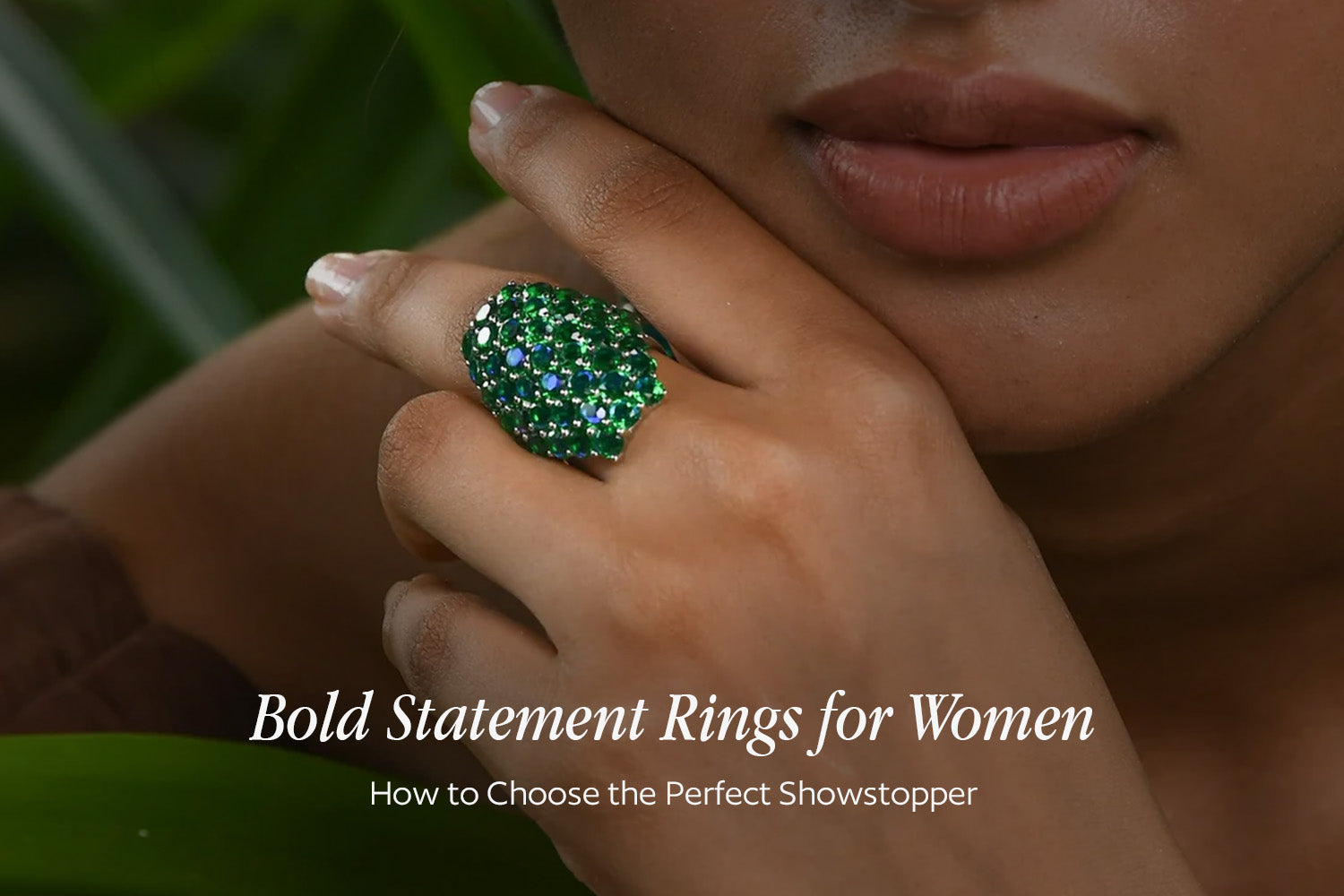
That deep green feels romantic, regal, and unforgettable. Emerald proposal rings have a devoted following precisely because no other stone commands the same visual authority.
Emeralds do require more mindful care than sapphires. Protective settings like halos or bezels, secure craftsmanship, and gentle daily habits make the difference between a ring that thrives and one that struggles. With the right setting, emerald proposal rings become practical as well as striking.
The Tatiana Petal Ring in Chrysoprase and Viola Berry Ring bring that same rich green energy to wearable everyday form, crafted for real life, not just occasions.
Morganite: Soft Romance in Blush
Morganite engagement jewelry has grown significantly in popularity because the stone offers something distinct: a gentle blush tone that feels warm and modern without being loud.
Morganite pairs beautifully with rose gold tones and fits naturally under the umbrella of non-traditional bridal rings. If your style is light, romantic, and slightly understated, morganite is a compelling choice among alternatives to diamond engagement rings.
The Blush Elinor Ring and Tatiana Petal Ring in Citrine capture this warmth: soft tones, hand-finished settings, and proportions designed to wear comfortably from morning to evening.
Lab-Grown Gemstones: Quality, Traceability, and Values
Many couples are considering lab-grown gemstones because they offer quality, transparency, and conscious sourcing in one choice.
This is not about fake versus real. It is about origin and process. Couples who want conflict-free ring options, verified supply chains, and clarity around what they are buying often find lab-grown gemstones a meaningful path. When paired with thoughtful design, they become full alternatives to diamond engagement rings in every sense.
Durability: Which Stones Work for Daily Wear
Your ring is a daily piece, not a showroom piece.
Sapphires and moissanite are consistently chosen for durability, making sapphire rings for proposals and moissanite engagement rings natural picks for active wearers. Emerald and morganite can also work beautifully with smarter settings and gentle care.
The right combination of stone and setting is everything. Explore the full range of gemstone engagement rings to understand how different stones pair with different setting structures before committing.
Setting and Metal: How They Change Everything
Setting style can transform how a stone reads entirely.
-
Halos make stones look larger and brighter
-
Bezels offer protection and a clean modern silhouette
-
Prongs maximize light but require secure craftsmanship
-
Metal tone shapes mood: yellow gold warms green and pink stones, white metals make blues look crisp, rose gold pairs naturally with blush tones
Smart setting decisions can maximize visual impact without forcing the stone size larger. This matters especially when exploring alternatives to diamond rings where the stone's natural character is the point.
FAQs
What are the most popular diamond alternatives for engagement rings?
Moissanite and colored gemstones like sapphire, emerald, and morganite are the most popular, along with lab-grown choices for couples who value traceability and conscious sourcing.
Is moissanite a good alternative to diamonds?
Yes. It offers strong brilliance and is widely chosen by couples seeking sparkle, ethical sourcing considerations, and a departure from the traditional diamond path.
Are colored gemstone engagement rings durable enough for everyday wear?
Sapphires and moissanite are excellent for daily wear. Emerald and morganite work well too with protective settings and mindful care habits.
How do I choose the right gemstone alternative for my lifestyle?
Start with how active your daily routine is, then choose a durable stone with a secure setting. If ethical sourcing matters, explore conflict-free ring options and verified lab-grown gemstones.